

Not in Venice
Escape to Lahore and Cold Summer Fashion

The Venice Art Biennale returned this week, with its cohort of glamorous openings, its dozens of permanent foundations, its ephemeral exhibitions, its pavilions from all over the world whose production costs can reach millions and, for all the spectacle, its share of drama: the entire jury resigned nine days before the opening, in protest at the Biennale director’s decision to readmit Russia.
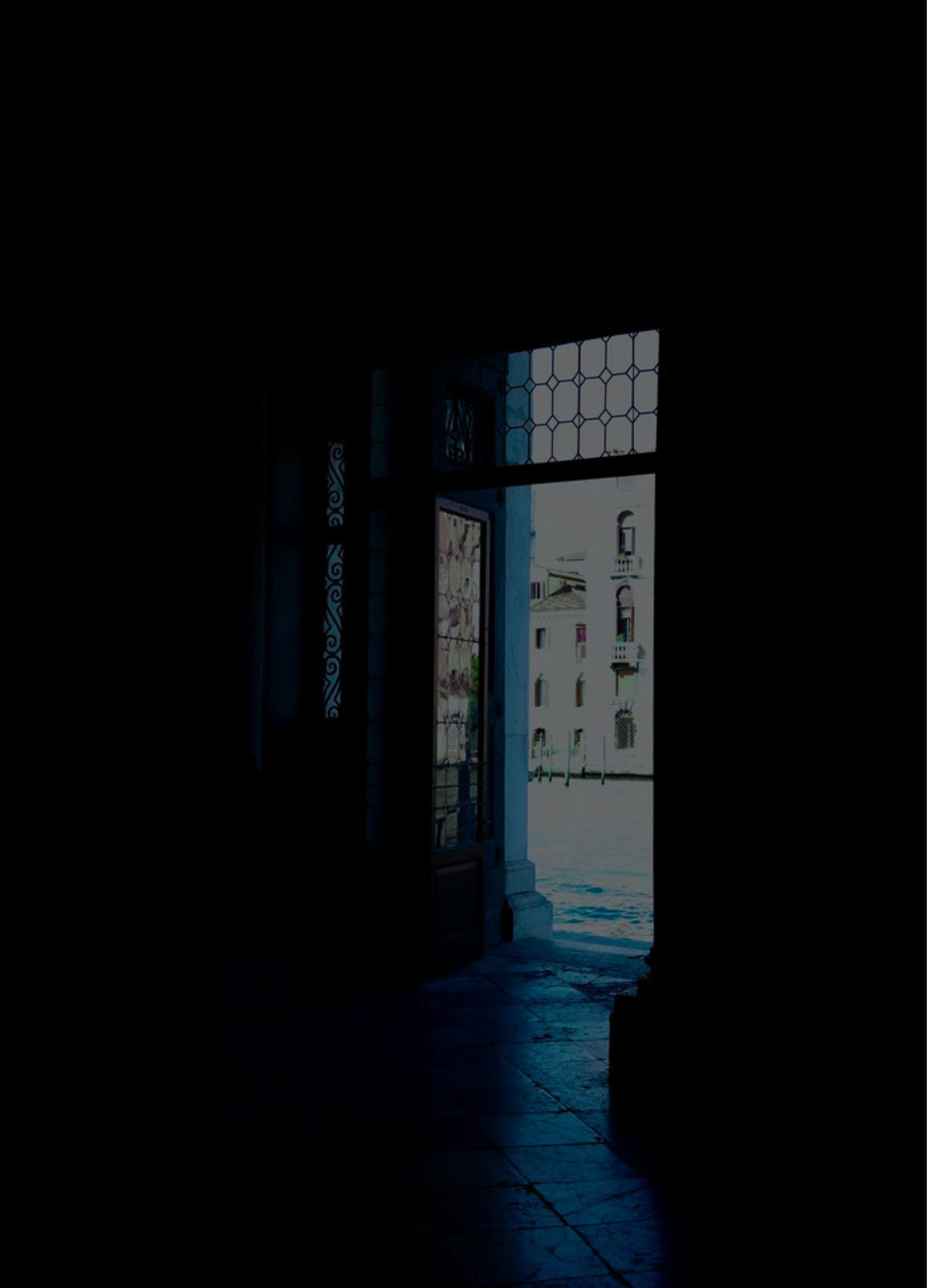
The weather was unreliable, but I should have been there. My press tickets were secured, parties to attend. Last year, Venice opened its doors to me during the Architecture Biennale, and it was, unmistakably, magical. This year, I had wanted to visit the Palazzo Manfrin and the new Dries van Noten Foundation, and get a chance to see the work of Sanya Kantorovsky at Palazzo Loredan. But hotel prices during Biennale week reach stratospheric levels, and it would have cost my journalist’s budget rather more than it could bear. I decided to stay in London. Mixed emotions: a strong sense of missing out and a strange relief in equal measure. For the first time, the prospect of experiencing art in that particular intensity felt almost terrifying.
I have been questioning more and more what I would call the abundance problem at art fairs. The superlative, the entertaining, the relentless spectacle — as if art could be consumed without limit. I know I need a certain stillness of mind to approach a work. The frenzy of openings is distracting in a specific way: it removes the solitude an encounter with a work requires. It is, of course, an opportunity to meet artists who often invest an enormous amount to gain visibility. But when I think of my best moments in Venice, I think of an afternoon at the Peggy Guggenheim Collection just after lockdown lifted, the rooms almost entirely empty, the Grand Canal still. Or the day I walked into a sleepy palazzo on the edge of Dorsoduro, near the end of the biennale, four years ago, to discover the work of Claire Tabouret. The rest, for all its spectacle, remains a blur.
London in cold summer fashion
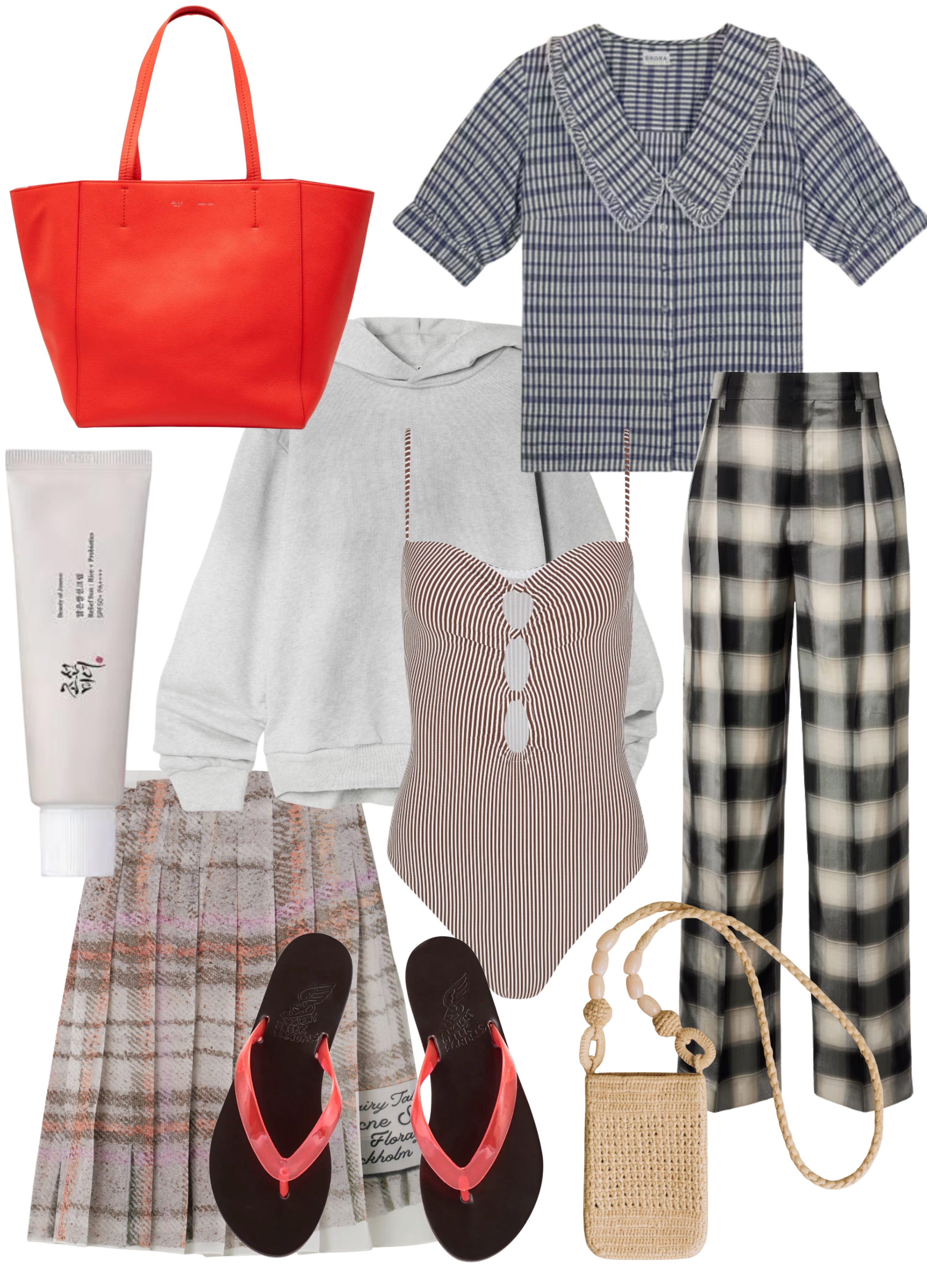
And so I stayed put, in a London May shaped by the metropolitan delusion of a false summer and a wardrobe emergency. Last week, temperatures climbed close to 25 degrees and, in an ambitious gesture, I stored my heavy woollen sweaters in the attic. A few days later, I am back in the inevitable transitional wardrobe, dressing for the grey light of an endless northern spring day, the blossoming azaleas the only promise of sunnier futures.
There are a few things I have been fantasising about: the pieces that will turn my hypothetical summer into a good story. A minimalist swimsuit from a brand I had not thought much about before. A second-hand Prada dress for a party in Portugal. A pair of red flip-flops — very New York, but who cares.
The Chekhov of Pakistan
Long London evenings and more time to read. I have just finished a great book, perhaps one of my favourites this year: a luminous saga set in Pakistan, depicting the lives of a grand landowning family and their employees in Lahore and the Punjabi countryside.
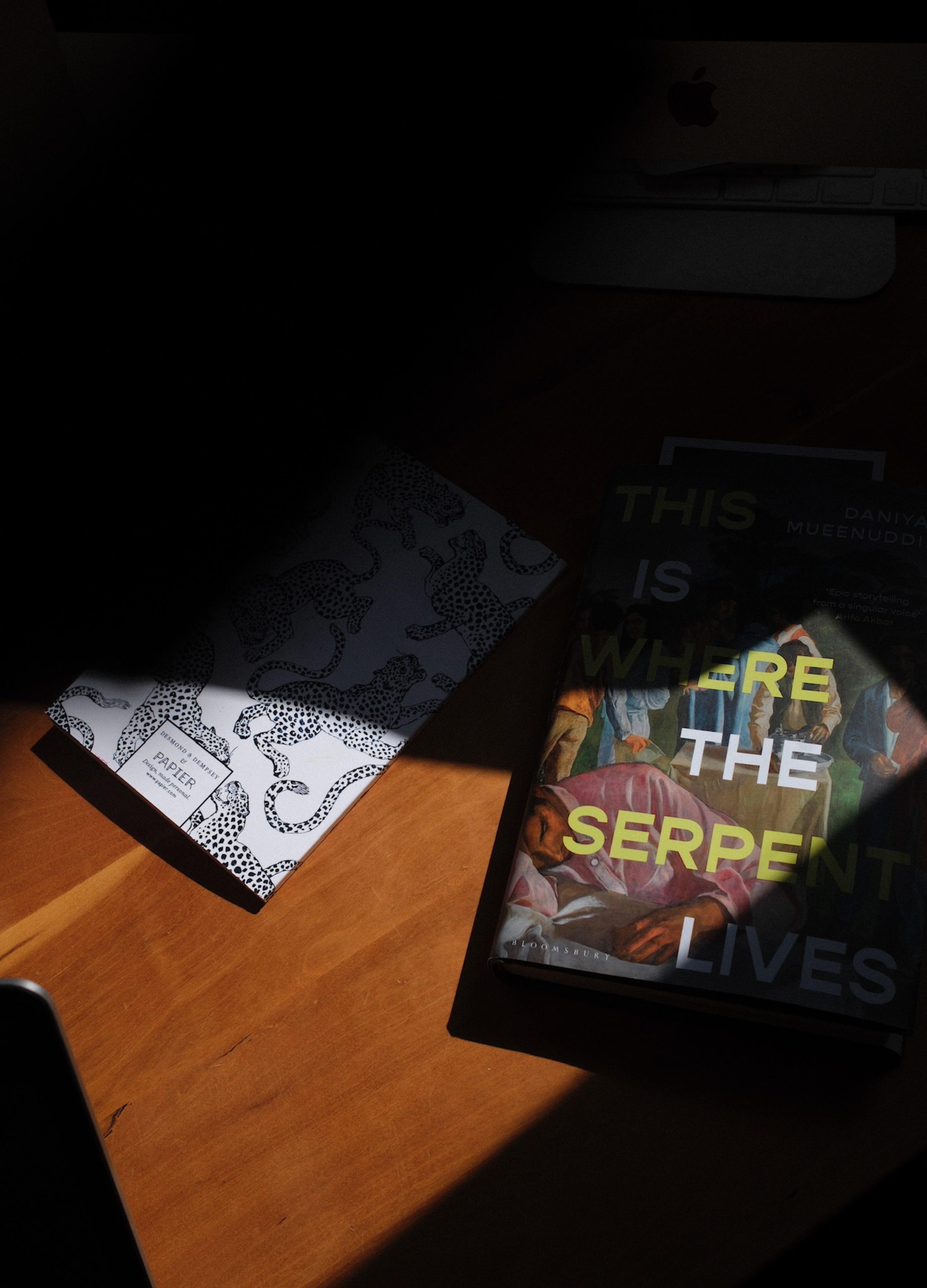
This Is Where the Serpent Lives is the debut novel of Daniyal Mueenuddin, who caught the literary world’s attention with his short stories — a collection that was a finalist for the Pulitzer Prize. His meticulous, exquisite storytelling of interwoven destinies, love and longings is set in the intricate, hierarchical society of Pakistan. The thread running through it all is Yazid, the orphan taken in by the owner of a tea stall in Rawalpindi, who rises slowly, improbably, to a place of trust in the household of Colonel Atar. Around him, a world of interlocking destinies — the servant who overreaches, the diplomat’s daughter both brothers fall in love with — each character is so vividly drawn, in the most infinitesimal detail, that you feel they have always existed. Mueenuddin, who grew up in Lahore and studied in the United States, has admitted that he takes inspiration from people he knows. There is an inevitability to their fate, caught between splendour and violence, entitlement and aspiration. It is a world observed largely through male experience: although women are powerful figures, they remain largely supporting characters.
Some scenes stay with you: Hisham keeping awake, telling the secret of his life to a distant cousin before catching a flight in the middle of the night for Karachi. Or Shahnaz, daringly changing the course of her life during an excursion in the Karakoram.
I couldn’t help but compare Mueenuddin’s Serpent to Kiran Desai’s The Loneliness of Sonia and Sunny. Both blend Indian and Pakistani storytelling traditions with Western structures to extraordinary effect — one mapping feudal Pakistan, the other the Indian diaspora between New Delhi and New York.
And perhaps you wish for a finale more encompassing, more extraordinary, given the journey Mueenuddin has taken you through. There is something so respectful in his writing. A touch of madness would have taken it to masterpiece level.
Francisco de Zurbarán’s lamb
I would like to end this newsletter on Francisco de Zurbarán. A rare and precious exhibition of the Sevillian painter is on display at the National Gallery. Only seven rooms; for me, eight paintings to contemplate at leisure, three to memorise forever. Art here is no entertainment: it is labour, discipline, and it aims at the sublime — and sometimes, only sometimes, reaches it. But when it does, it is one of those spiritual experiences that only great art can make you feel.
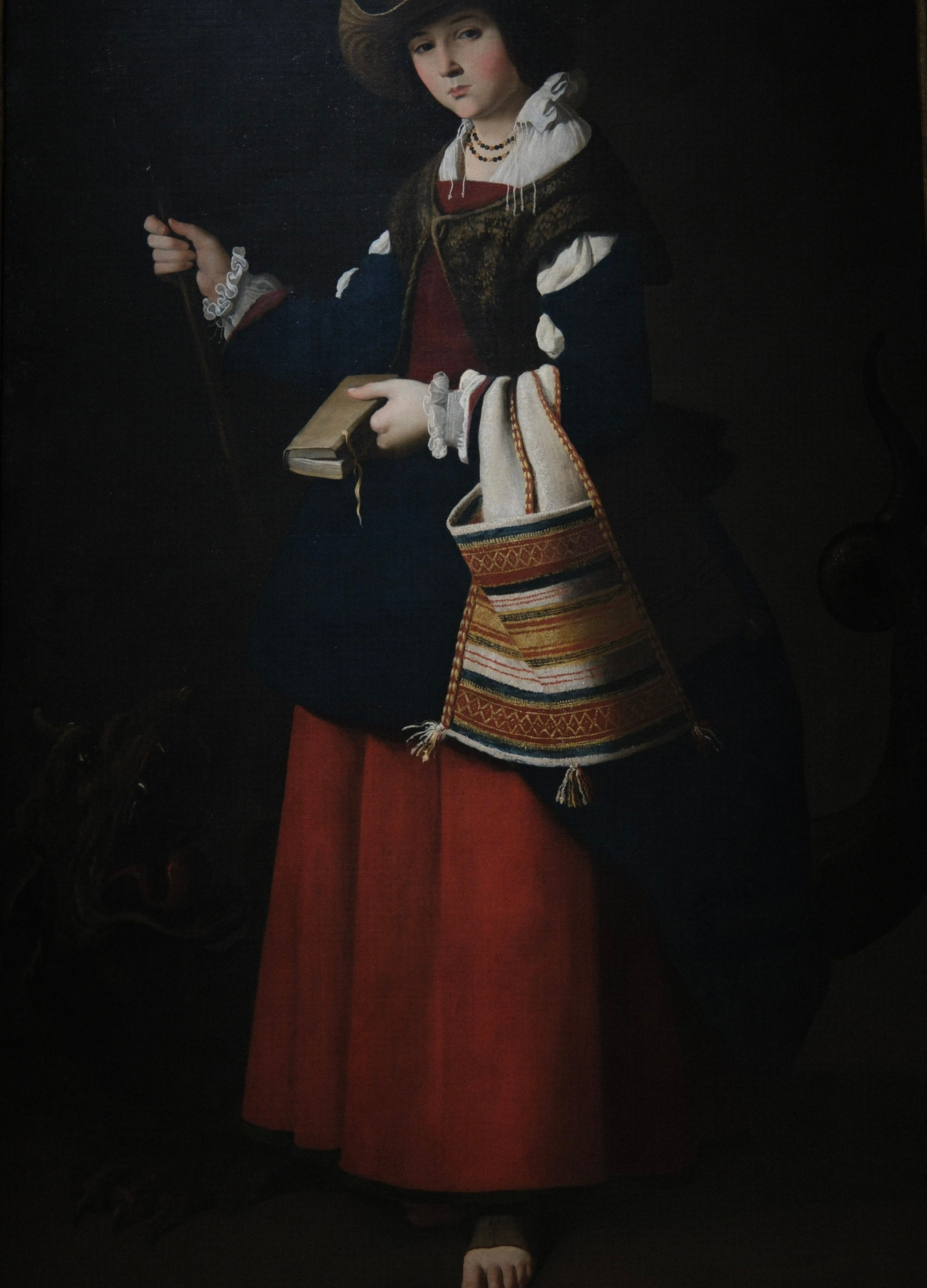
I went for the still lifes, the lemons and the cups. Their infinite precision and the humility that emanates from them. I noticed the crackling texture of the pots, the thickness of the flowers. I also went for the fabrics, Zurbarán’s unique way of portraying clothes, wrapping our mortality in the most beautiful attire. The pleats of Saint Serapion’s robe. Saint Margaret of Antioch in her infinite elegance — even the weave of her handbag rendered with devotion. She is triumphant, not a martyr. And finally the lamb, still alive and soft, its texture slowly blurring into the void.
I wish you a lovely sunday,
Eleonore xx
Liked your daring “Not In Venice” statement. It is high time someone spoke about this. An off-Biennale might be an idea…Zurbarán : already an evocative name. Will go.