

Art, SPF and the enduring power of Celia Paul – my London notes #4
Returning to London, dreaming of the Mediterranean

Returning to London after a month away — and having missed the openings of the Serpentine Pavilion, V&A East, and several plays I would have loved to see — I was immediately struck by a mix of FOMO and guilt. But before long, I swung back into the rhythm of city life: a brief encounter with the artist and muse Celia Paul was followed by a visit to what may well become this summer’s most visited exhibition.
Meanwhile, having already spent time under the Mediterranean sun, I’ve begun assembling a list of essentials for the months ahead: SPF, swimsuits, and a growing pile of books. I’m also starting to think about September — and the plays I’m booking now.
ART
Yoshitomo Nara’s dark cuteness
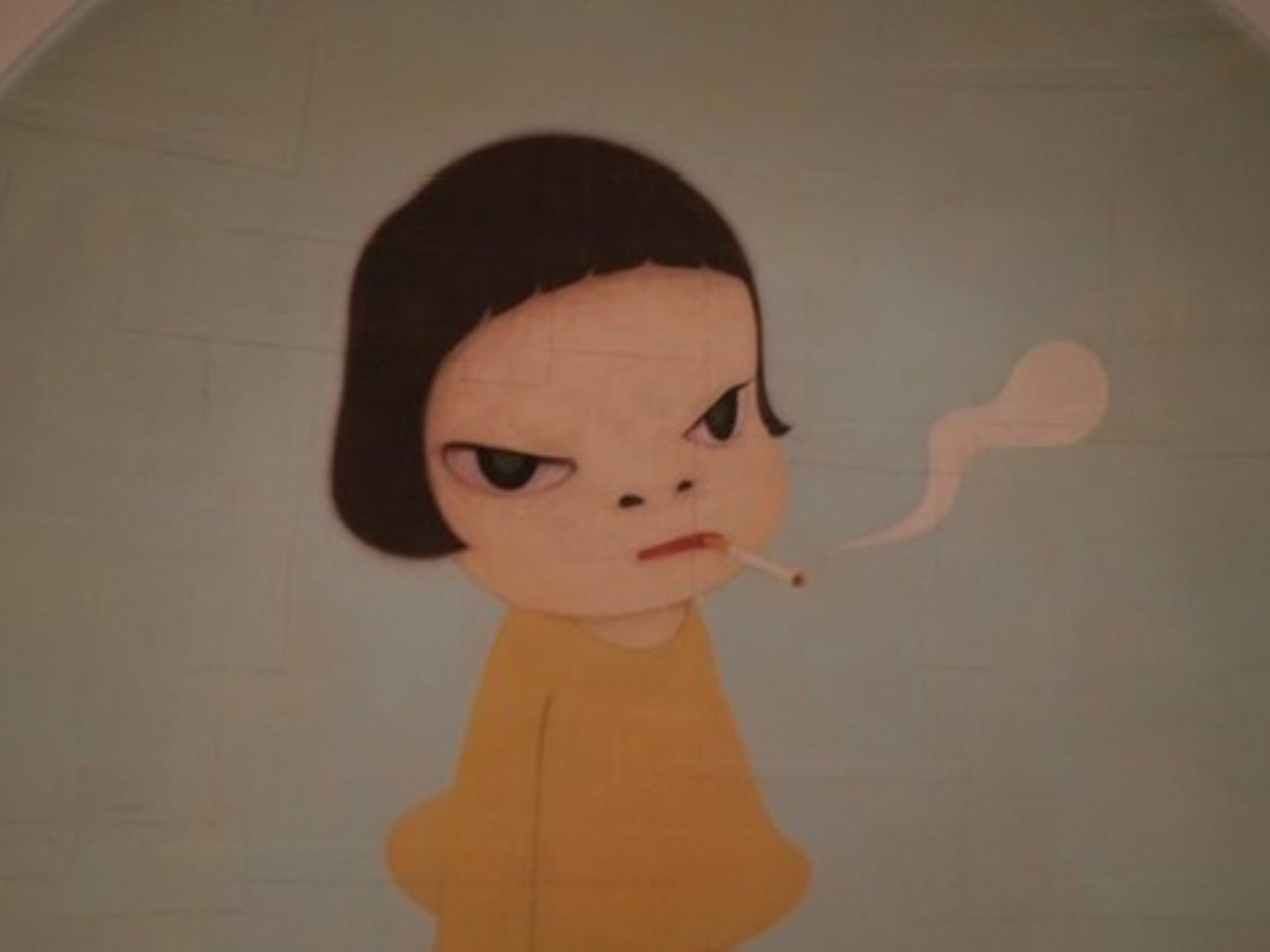
Too Young to Die, Yoshitomo Nara, Hayward Gallery
I went with T.* to the opening of Yoshitomo Nara’s exhibition at the Hayward Gallery on a sunny Monday morning, crossing the Embankment Bridge with that particular joy one feels when returning to the Southbank Centre and its brutalist immediacy. The Hayward was quiet on the outside, but intense on the inside.
Cult artist Yoshitomo Nara, dressed in impeccable Japanese chic with a touch of Americana streetwear, was there to present his major retrospective — his largest yet in a London gallery. His paintings and drawings of children and animals with oversized, expressive eyes are instantly recognisable. Their deceptive cuteness has drawn an audience who might otherwise bypass contemporary art — making Nara, perhaps, a little too popular for some critics’ tastes.
T. and I arrived with a degree of scepticism, wary of the universalist blandness of his Superflat aesthetic (a term coined by Takashi Murakami) — manga meets expressionism. But after an hour spent in front of his giant-eyed characters, we both had to admit: there’s an undeniable power in them — their visual allure layered with meanings that are easy to grasp, makes for a highly consumable artistic experience.
I found myself reflecting on the words of curator Greg Rook, as featured in his excellent newsletter Blackbird Rook (which I highly recommend if you're even remotely curious about contemporary art), particularly his reminder of the value of softness in art during times of crisis. Kawaii counterculture — a search for softness, vulnerability, and childlike escapism — developed in Japan in the 1970s in response to mounting societal pressure, and expanded further during the economically turbulent 1980s.
Nara belongs to that tradition but is also deeply influenced by German Expressionism and American pop culture. His responses to trauma — the Tōhoku earthquake, the tsunami, the Fukushima disaster — are subtle, almost oblique. I couldn’t help but compare his work to that of the Gazawi artists I had seen recently in Amman. Their work felt immediate, visceral, raw — while Nara’s felt more distant, more crafted. And yet, his language is global. It speaks to imaginary inner worlds. And perhaps that’s exactly why it resonates so widely.
STYLE
Celia Paul: a style icon despite herself
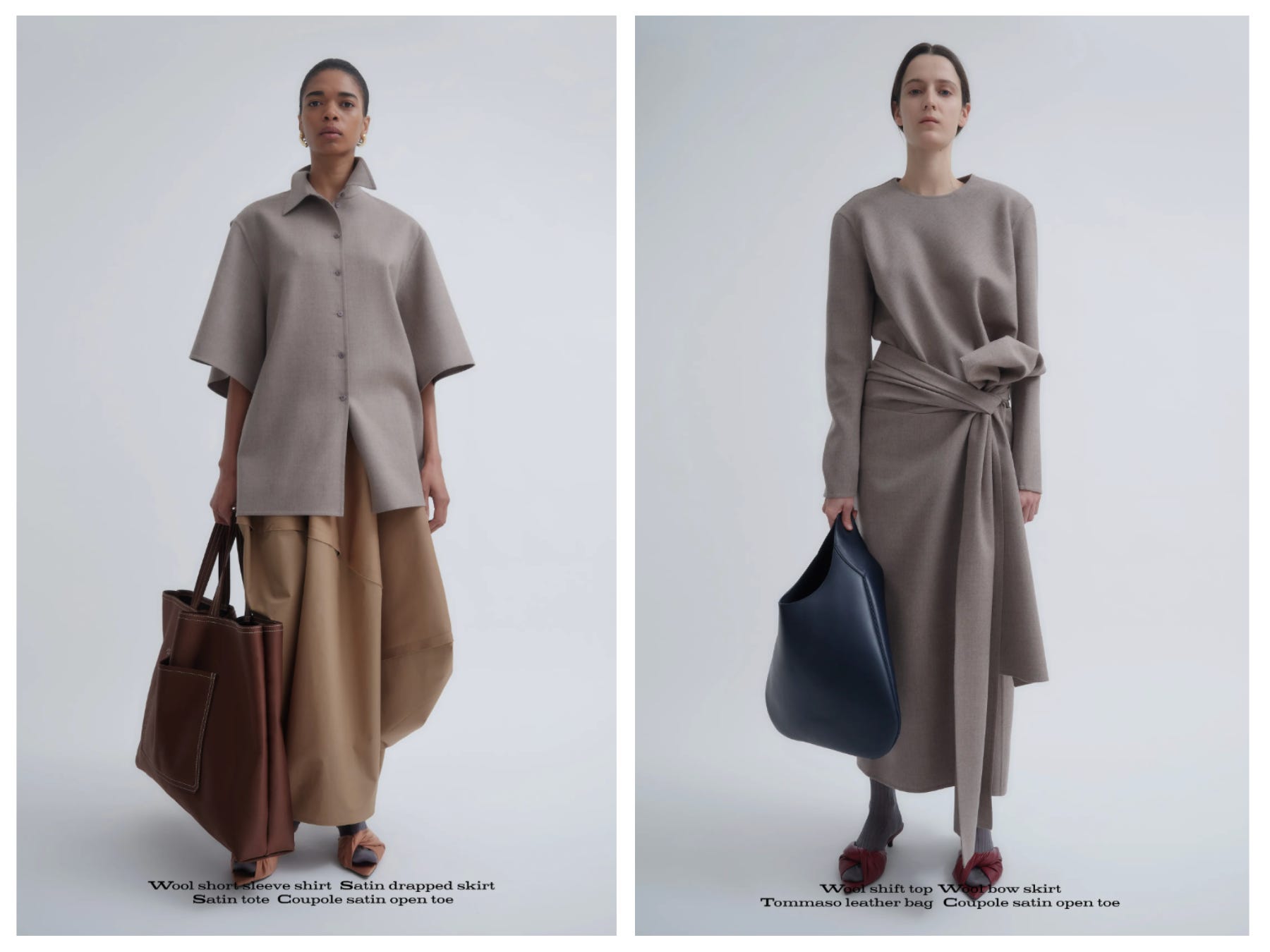
Carven pre-fall 2025 collection
I was introduced to Celia Paul a week ago at a private art evening. The artist and muse — once in a long, complex relationship with Lucian Freud, with whom she had a child — is something of a myth on the London art scene.
My first encounter with her was through a Bruce Bernard photograph I saw at the Gagosian a couple of years ago. In it, she stands beside Freud and his daughter Bella. Her fragile quintessentially English charm — adorable, almost heartbreaking — stayed with me long after.
When I finally met her in person at Victoria Miro’s 40th gallery celebration, she was soft-spoken and sparing with her words. Her presence was discreet, her manners gentle. Our styles couldn’t have been more different. I wore high, bright heels and makeup; she appeared in a plain brown dress and a khaki jacket, flat shoes, no makeup, her long, undyed hair pinned loosely in place. Tall, slender, and utterly unadorned — yet not without poise. She was herself, unmistakably.
And I thought about how long it must have taken to claim that kind of self-possession, after years in Freud’s shadow.
A few days later, I came across the Carven pre-fall 2025 collection — inspired, apparently, by women artists, and by Celia Paul in particular. A brown draped maxi skirt caught my eye, as did the Tommaso leather bag. I couldn’t help but smile at the absurdity: Celia Paul — so introverted, so fashion-unconscious, so naturally elegant — as a muse for luxury fashion. I tried to picture her in those carefully styled, expensive outfits. The thought felt improbable — and yet, paradoxically, it made me want them even more.
A THOUGHT
Does overachievement still resonate?
I’m sure many of you watched the historic French Open final ten days ago. My husband, Antoine, was lucky enough to witness it from Centre Court. The match lasted over five hours — the second-longest Grand Slam final in history.
He called me afterwards, strolling through the streets of Paris. He said it was extraordinary to witness such a moment, yet psychologically exhausting — not because of the players’ physical prowess, but because of their seeming invincibility.
Antoine mentioned he didn’t mind who won. Instead, he described a strange sense of powerlessness — a rare emotion for my intensely hard-working husband — as he watched two human beings perform at a level that defied belief. He said a similar unease seemed to ripple through the stadium, as if the crowd itself had been stretched to its emotional limits.
We wondered whether, in this age of artificial intelligence, our fascination with overachievement might be reaching a natural end. Are we being asked to reconsider our obsession with limitless human potential — to question whether the pursuit of ever-greater feats still makes sense, now that machines are quietly mastering the impossible?
SUMMER
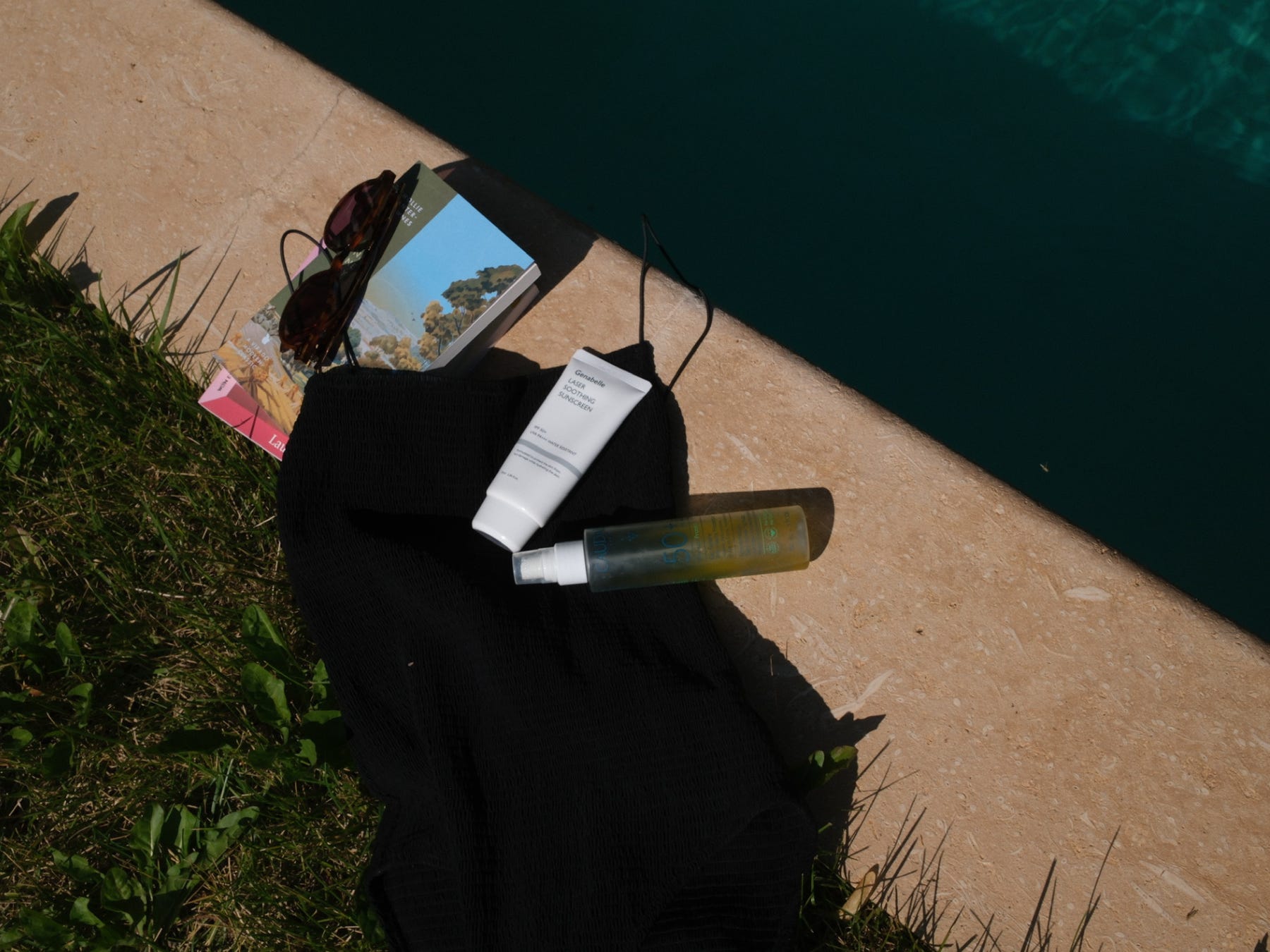
Dreaming of summer
I’ve been in hot places lately, and it struck me how the idea of summer is often more delicious than its reality. But there is such pleasure in preparing for it: how to dress, what to read, how to enjoy the heat and sun, how to capture the holiday moment in all its fleeting glory. So, I’ve compiled a list of what feels like the 2025 essentials.
Keep reading with a 7-day free trial
Subscribe to Eleonore's Whisper to keep reading this post and get 7 days of free access to the full post archives.